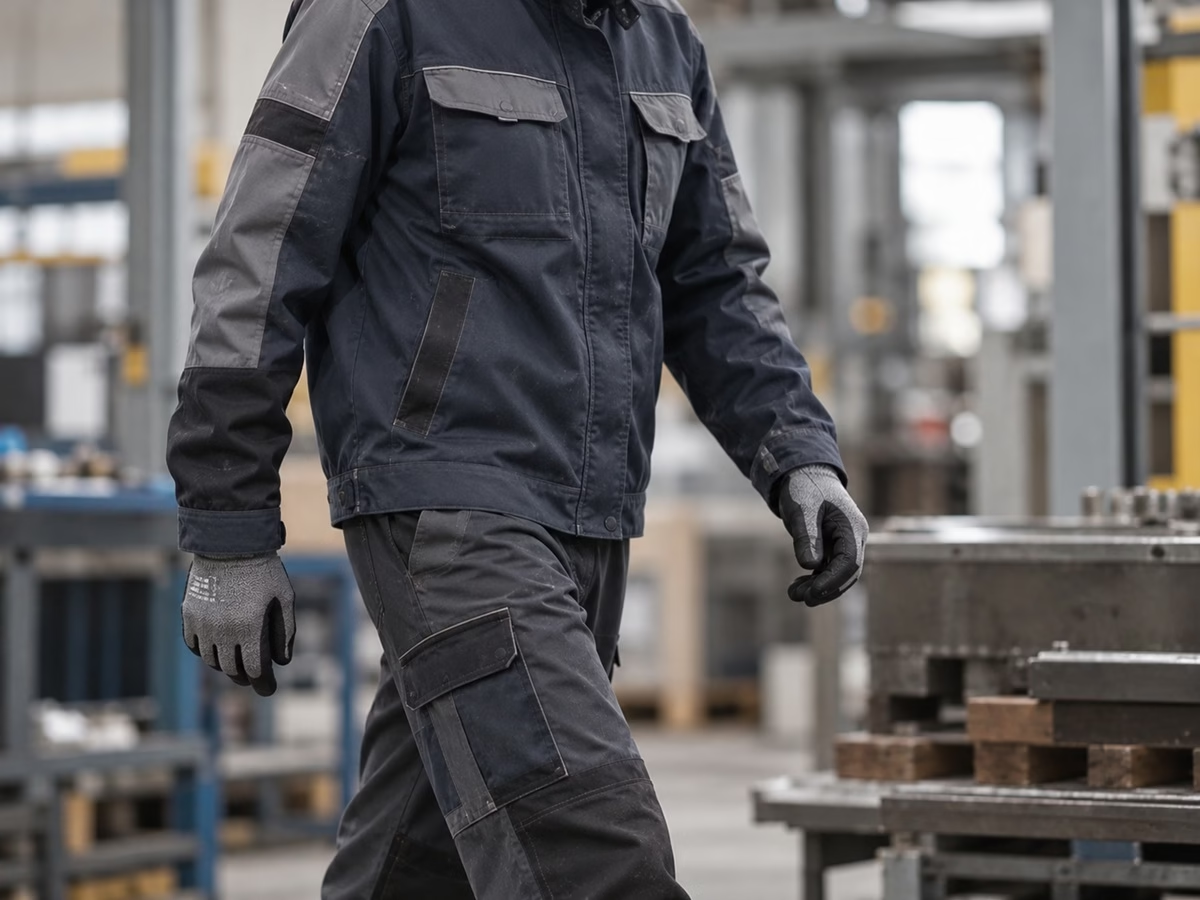
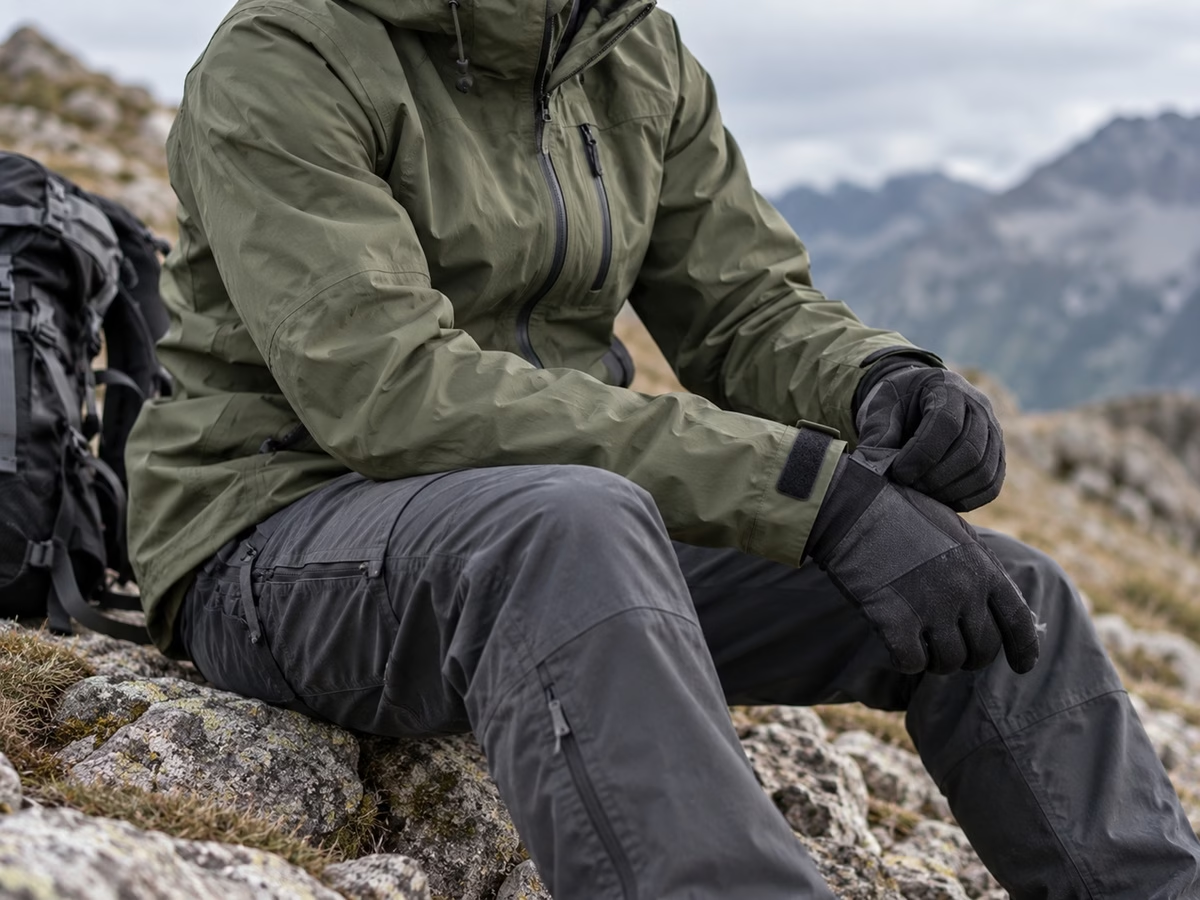
Different professional clothing applications place different demands on fabric performance. Explore how application requirements inform fabric selection across protective workwear, public safety and outdoor clothing.
Applications & Fabric Requirements
Fabric selection begins with how a garment will be used.
Working conditions, protection needs, garment construction
and care requirements all influence which material
properties matter most.
PPE & Professional Workwear
Professional workwear covers a wide range of working
conditions, from everyday industrial use to environments
requiring specific protective performance. Fabric
selection must account for the intended application,
workplace exposure, durability and wearer comfort.
Industrial Workwear
Industrial workwear used in manufacturing, maintenance
and related operations is exposed to repeated movement,
surface contact and regular laundering. Key fabric
considerations include abrasion and tear resistance,
dimensional stability, comfort and durability through
repeated care cycles.
High Visibility Workwear
High-visibility clothing helps workers remain
conspicuous around vehicles, machinery and moving
equipment. Fabric evaluation may involve fluorescent
color performance, colorfastness and durability,
alongside compatibility with reflective materials and
the visibility requirements of the finished garment.
FR / Multi-Norm Protective Clothing
Protective clothing for thermal and other workplace
hazards requires materials evaluated against the
intended exposure conditions. Relevant considerations
may include flame resistance, thermal protection,
durability and supporting test evidence. Meeting
multiple protection requirements requires more than
a single fabric property.
Protective Rainwear / Outerwear
Professional rainwear must provide weather protection
while allowing practical movement and extended wear.
Fabric considerations include water resistance,
breathability, coating or membrane construction,
durability and compatibility with seam construction
and garment design.
Military, Police & Public Safety
Uniform and tactical clothing must perform across
different duties and operational environments. Material
selection involves balancing durability, mobility,
comfort, appearance retention and protection from
environmental exposure.
Police / Law Enforcement
Police and law enforcement uniforms are worn across
patrol, public-facing duties and other operational
activities. Fabric considerations include abrasion
resistance, comfort during extended wear,
colorfastness, dimensional stability and ease
of maintenance.
Military / Tactical
Military and tactical clothing may be exposed to
repeated movement, equipment contact and changing
field conditions. Fabric evaluation can involve
abrasion and tear resistance, weight, mobility,
comfort and weather protection, depending on the
intended garment and operational environment.
Outdoor & Performance
Outdoor clothing must respond to changing weather
conditions and different levels of physical activity.
Fabric evaluation considers the balance between
environmental protection, comfort, mobility and
garment weight.
Outdoor Shell & Rainwear
Outdoor shell garments used for hiking and other
activities must balance protection from rain and wind
with moisture management and freedom of movement.
Relevant fabric considerations include water
resistance, breathability, weight, durability and
compatibility with the intended garment construction.
From Application Needs to Fabric Selection
Selecting a functional fabric involves more than matching
a material to an application. Performance requirements
must be considered alongside garment construction,
expected service conditions and care methods.
A suitable fabric direction depends on how these factors
work together. Explore JOY’s fabric range to identify
options for further evaluation against your specific
requirements.